Quality in kratom comes down to two things you can actually verify: where the leaf comes from, and what an independent laboratory finds in it. Every batch we list is single-origin and third-party lab-tested before it goes on sale. This is exactly what that means, how the testing works, and how you can confirm it for any product we carry.
Single-origin sourcing
Single-origin means each strain is sourced from one region and one supply, rather than assembled from mixed commodity lots bought on price. We work directly with growers by region, which keeps every strain traceable to its origin and means we never blend one batch into another to stretch supply. It also means the leaf in a bag of Borneo Red Vein genuinely comes from where the name says it does.
What third-party testing analyses
Before a batch is listed, a representative sample is sent to an independent, accredited laboratory — not our own facility. It is analysed for its alkaloid profile, including mitragynine, typically by high-performance liquid chromatography (HPLC), which documents the composition of the specific batch. It is also screened for contaminants: heavy metals such as lead, cadmium, arsenic, and mercury (usually by ICP-MS), and microbial contamination including Salmonella, E. coli, total yeast and mould, and total plate count.
Why independent testing matters
The key word is independent. A third-party laboratory has no stake in the sale, so its results are not marketing. Any vendor can print “lab-tested” on a page; what distinguishes a serious one is a current Certificate of Analysis (COA) from an accredited lab, available on request and tied to the batch you are buying. We keep a COA on file for every batch we sell.
No fillers or additives
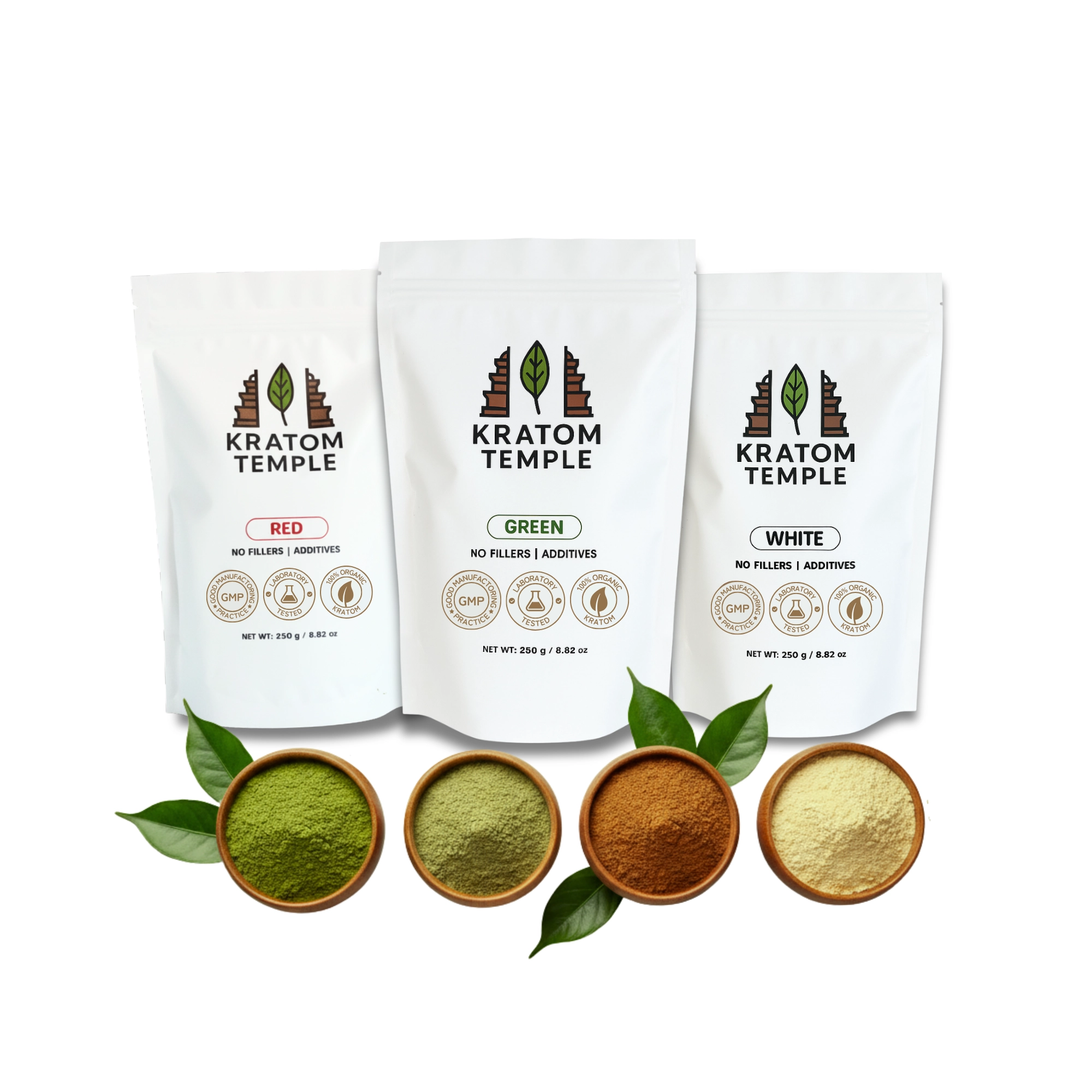
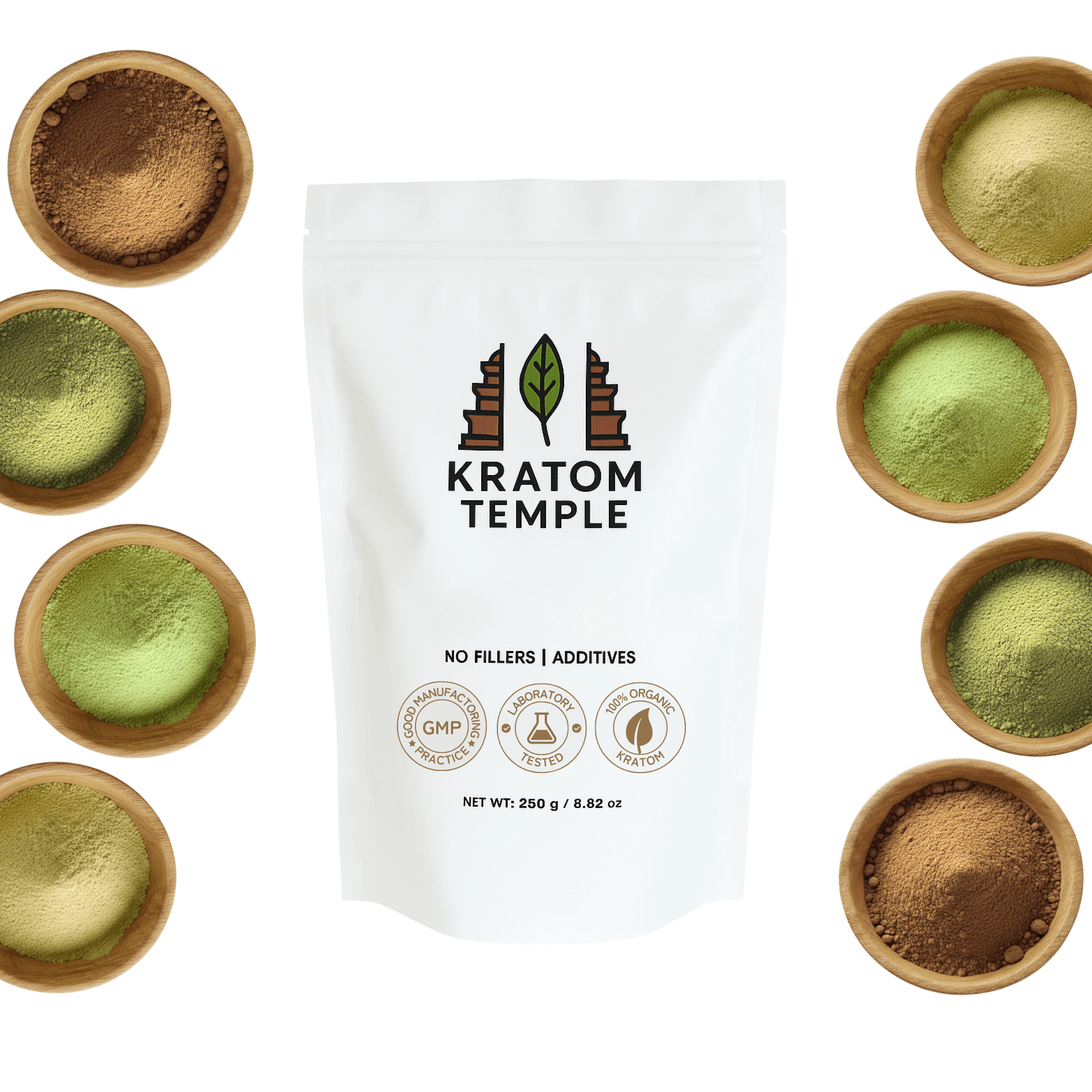
What is in the bag is the leaf and nothing else — no bulking agents, no cutting, no flavouring or other ingredients. This is partly a quality decision and partly an analytical one: the fewer components in a product, the more meaningful the test results are, because the analysis reflects the actual leaf rather than a mixture.
How to verify quality yourself
You do not have to take any vendor’s word for it, ours included. Ask for the COA and confirm it is recent, names an independent laboratory, and covers both alkaloid content and contaminants. Then look for single-origin sourcing rather than vague “premium blend” language. A vendor that tests every batch and can produce the paperwork is doing the work. Browse our lab-tested range →