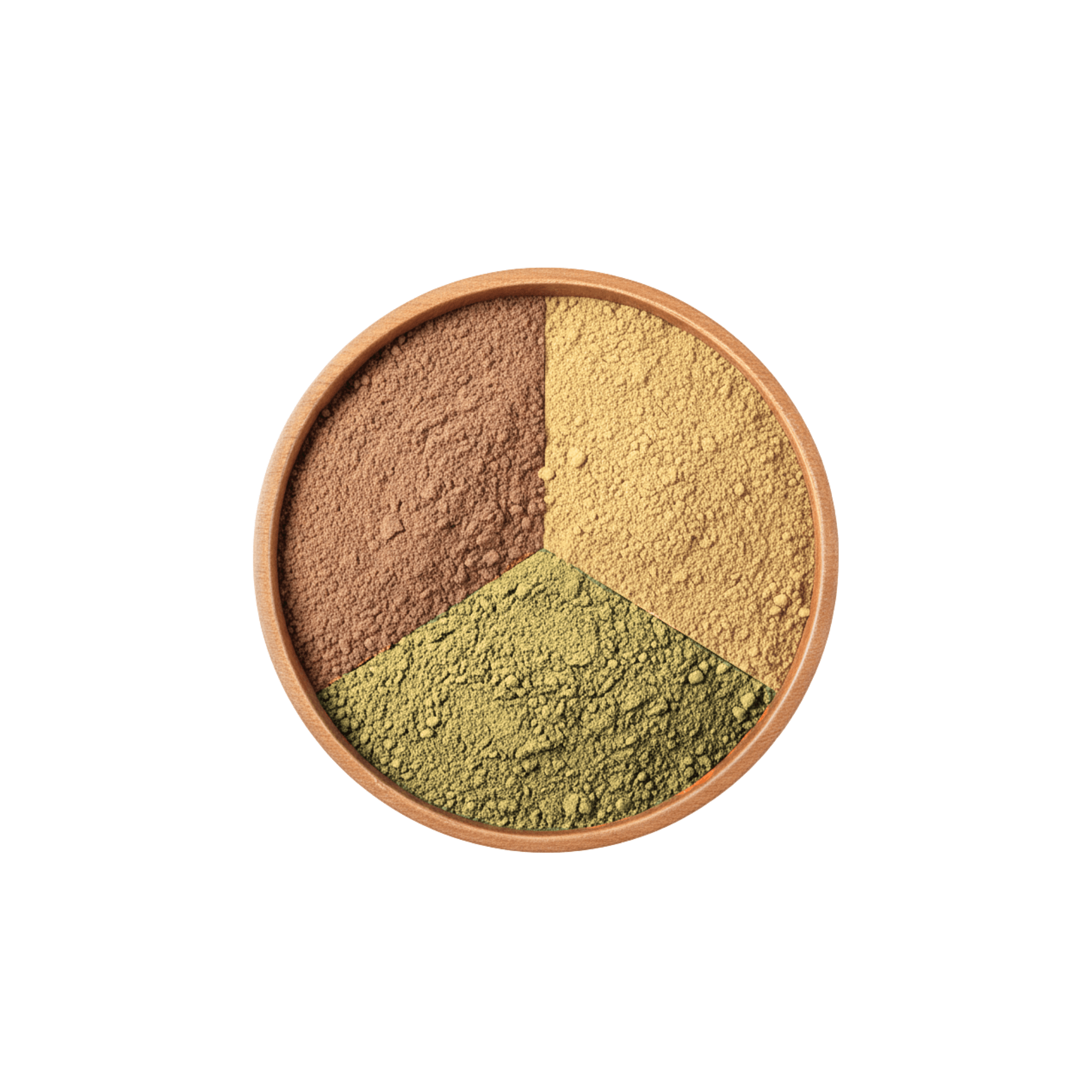


Kratom occupies a specific position in Canadian regulation: it is not a controlled substance, but it is also not approved by Health Canada for ingestion. That combination determines how it is legally sold — as a botanical product for aromatherapy and research purposes only. This guide sets out how kratom is classified in Canada, who may order it, and how purchasing and shipping work in practice.
How kratom is classified in Canada
Mitragyna speciosa is not listed under the Controlled Drugs and Substances Act, so it is not a controlled substance and is legal to buy and sell in Canada. At the same time, Health Canada has not authorised kratom as a Natural Health Product or approved it for human consumption. Because it sits outside the approved-ingestible framework, it is offered as a raw botanical — sold for aromatherapy, research, and similar purposes, and not intended for human consumption. This is the standard way kratom is sold across Canada.
Who can order
You must be 19 or older, or the age of majority in your province or territory, to purchase. This requirement applies regardless of which province you are ordering from.
How payment works
You will not see Visa or Mastercard at checkout, and that is not an oversight. Major card networks and processors do not service this product category in Canada, so payment is handled by Interac e-Transfer or cryptocurrency instead. Once an order is placed, payment instructions are sent directly. It is a small extra step compared with a card, but it is the standard for the category.
Shipping across Canada
Orders placed and paid before 2 PM PT on a business day ship the same day. Shipping is calculated at checkout and is free on orders over $150. Everything ships Canada-wide with tracking, in plain, unbranded outer packaging with no indication of the contents. See how to order → for the full step-by-step.
What to keep in mind
Two practical notes. First, the regulatory picture can change, so it is always worth confirming the current status before a first order. Second, buy from vendors that are transparent about sourcing, testing, and payment — the same signals that indicate quality also indicate a business that takes its regulatory obligations seriously.